Moss Wall Art: What Texture Brings to a Living Picture
Why texture matters in moss wall art
When people first see a well-made moss wall, they often reach out to touch it. That instinct says a lot about what makes these displays work. A flat, uniform surface can look neat, but it rarely holds attention the way a layered, tactile composition does. Texture is what gives a moss wall its sense of depth and life, even though the moss itself is preserved and no longer growing.
Moss wall art relies on a careful mix of different moss types and supporting materials to create visual interest. The goal is not just to cover a surface with green, but to build something that feels organic and varied. Texture plays a central role in that process, shaping how light falls on the piece and how the eye moves across it.
What texture means in preserved moss
Preserved moss comes in several forms, each with its own surface quality. Sheet moss grows low and dense, forming a soft, almost velvety carpet. Cushion moss is thicker and more rounded, with a springy look that adds gentle bumps and mounds. Reindeer moss, despite its name, is actually a lichen. It has a branching, coral-like structure that stands out from the flatter types. When these are arranged together, the contrast between their surfaces creates a natural rhythm.
The color palette also plays into texture. Different mosses carry different shades of green, from pale yellow-green to deep forest tones. Some preserved mosses are dyed to hold their color longer, but the best pieces keep a range of natural hues. The interplay of light and shadow across these varied surfaces gives the wall a sense of movement, even when nothing is actually moving.

How texture shapes the viewing experience
A moss wall with only one type of moss can feel flat, no matter how vibrant the color. The eye needs variation to stay engaged. By mixing textures, you create focal points and resting places. A patch of coarse reindeer moss draws attention, while a smooth sheet moss area lets the eye settle. This push and pull between rough and smooth is what makes the piece feel complete.
In interior display, texture also affects how the wall interacts with its surroundings. A rough-textured moss absorbs more light, giving it a matte, grounded look. A smoother moss reflects a bit more light, adding a subtle sheen. When placed near a window or under a soft lamp, these differences become more pronounced. The wall changes slightly with the time of day and the angle of light, making it a living part of the room rather than a static decoration.
Building a textured composition
Creating a moss wall with good texture starts with choosing the right moss art materials. The base layer is usually sheet moss or a similar flat type, which provides a stable background. From there, you add patches of cushion moss and reindeer moss to create bumps and peaks. The arrangement should feel natural, not too symmetrical. In nature, moss grows in clusters and drifts, so the composition should mimic that irregularity.
The wood frame that holds the moss also contributes to texture. A smooth, painted frame can contrast nicely with the rough moss, while a raw or reclaimed wood frame adds another layer of organic feel. Some designs even incorporate bark, twigs, or small stones to extend the textural range. These elements should be used sparingly, so the moss stays the main focus.
What texture does for the long-term look
Preserved moss does not require water or sunlight, but it still responds to its environment. Over time, dust can settle in the crevices of rough moss, dulling its texture. A soft brush or a gentle blast of air from a distance can restore the original surface. Smooth moss types tend to collect less dust, but they can show smudges if touched frequently. Knowing the texture of each part of the wall helps you care for it properly.
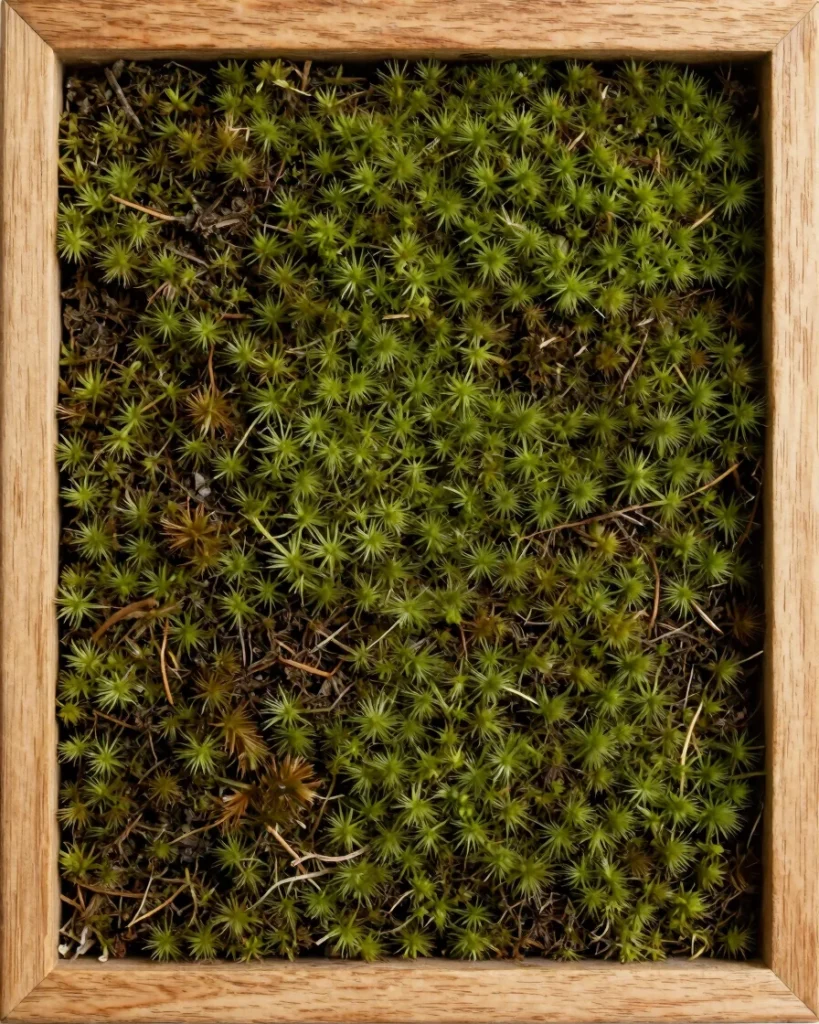
A well-textured moss wall also hides small imperfections better than a flat one. If a patch of moss shifts slightly or a gap appears between pieces, the surrounding texture makes it less noticeable. This is one reason why designers often prefer a mix of moss types over a single uniform sheet. The variety gives the piece a forgiving quality that keeps it looking good for years.
Choosing the right texture for your space
The best texture choice depends on where the moss wall will hang. In a bright, modern office, a smoother texture with clean lines might feel more appropriate. In a cozy living room or a nature-themed space, a rougher, more layered texture can add warmth and depth. The size of the wall also matters. A large wall can handle bold textural contrasts, while a small piece benefits from a subtler mix.
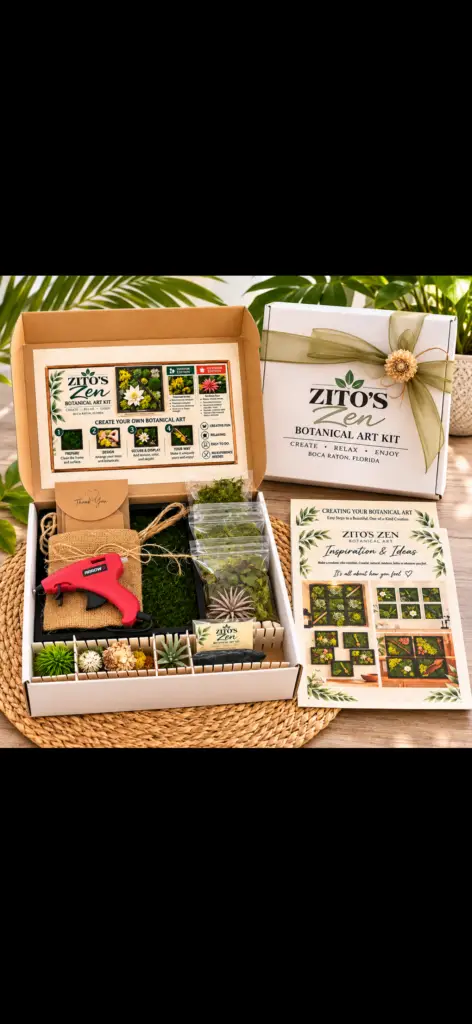
The quality of the moss art materials you start with makes a real difference. Freshly preserved moss holds its texture well, while older or poorly preserved stock can become brittle and lose its shape. If you are assembling a kit or selecting individual moss pieces, look for material that feels supple and resilient. Dry or crumbly moss will not hold the same visual detail and may shed over time.
Texture as a design tool
Texture is not just a surface detail. It is a design tool that controls how a moss wall reads from across the room and up close. From a distance, texture creates the overall shape and pattern of the piece. Up close, it invites inspection and rewards a closer look. This dual role is what makes textured moss walls so effective in public spaces, offices, and homes alike.
When you plan a moss wall, think about the journey you want the viewer's eye to take. Start with a base texture that feels calm and consistent. Then add accents of contrasting texture to create points of interest. Leave some areas open and quiet so the eye can rest. The result is a composition that feels alive, not because it is growing, but because it has the same kind of variety you find in a forest floor or a mossy bank.
Texture in moss wall art is what turns a simple green panel into a piece that people stop to look at. It adds depth, personality, and a connection to the natural world that a flat surface cannot match. Whether you are choosing a finished piece or planning your own arrangement, paying attention to texture will give you a display that stays interesting for years.